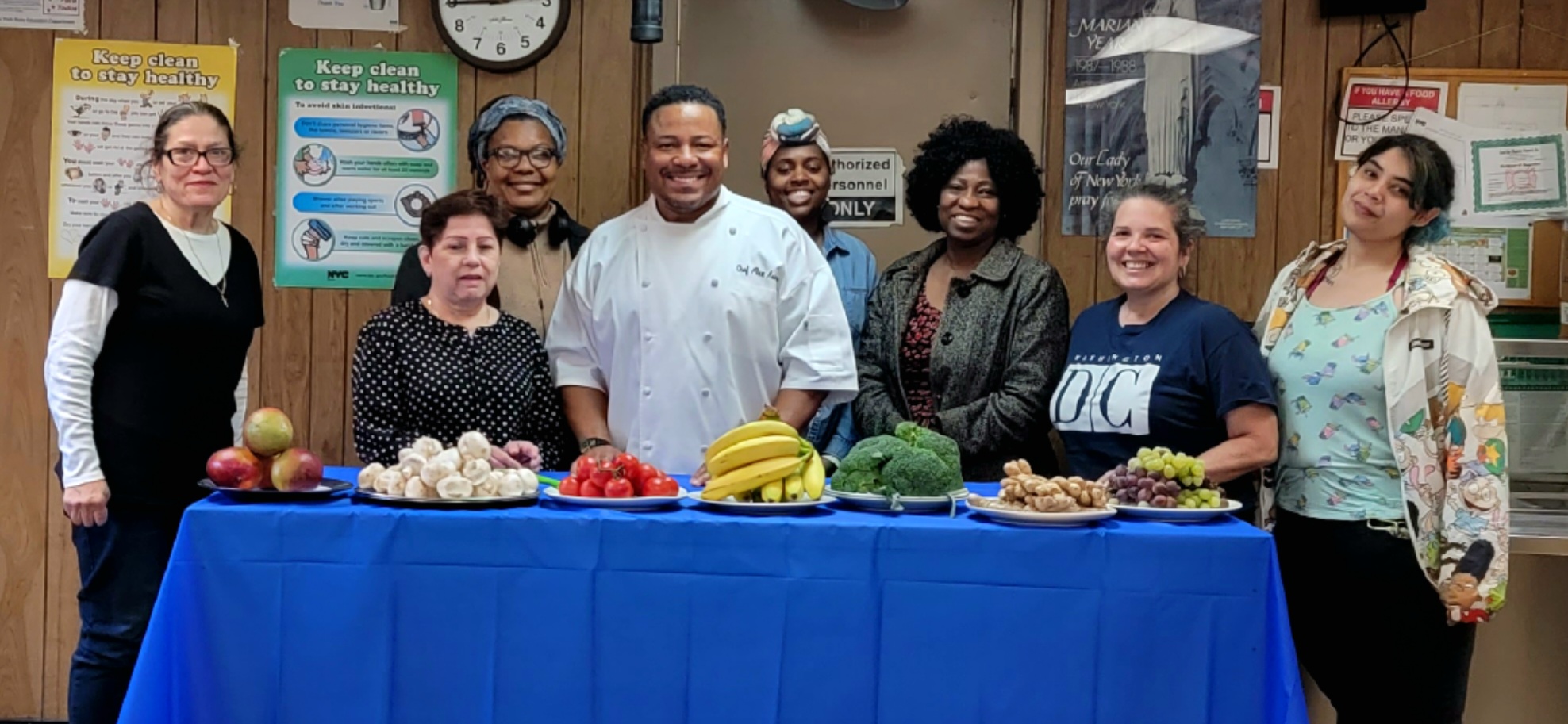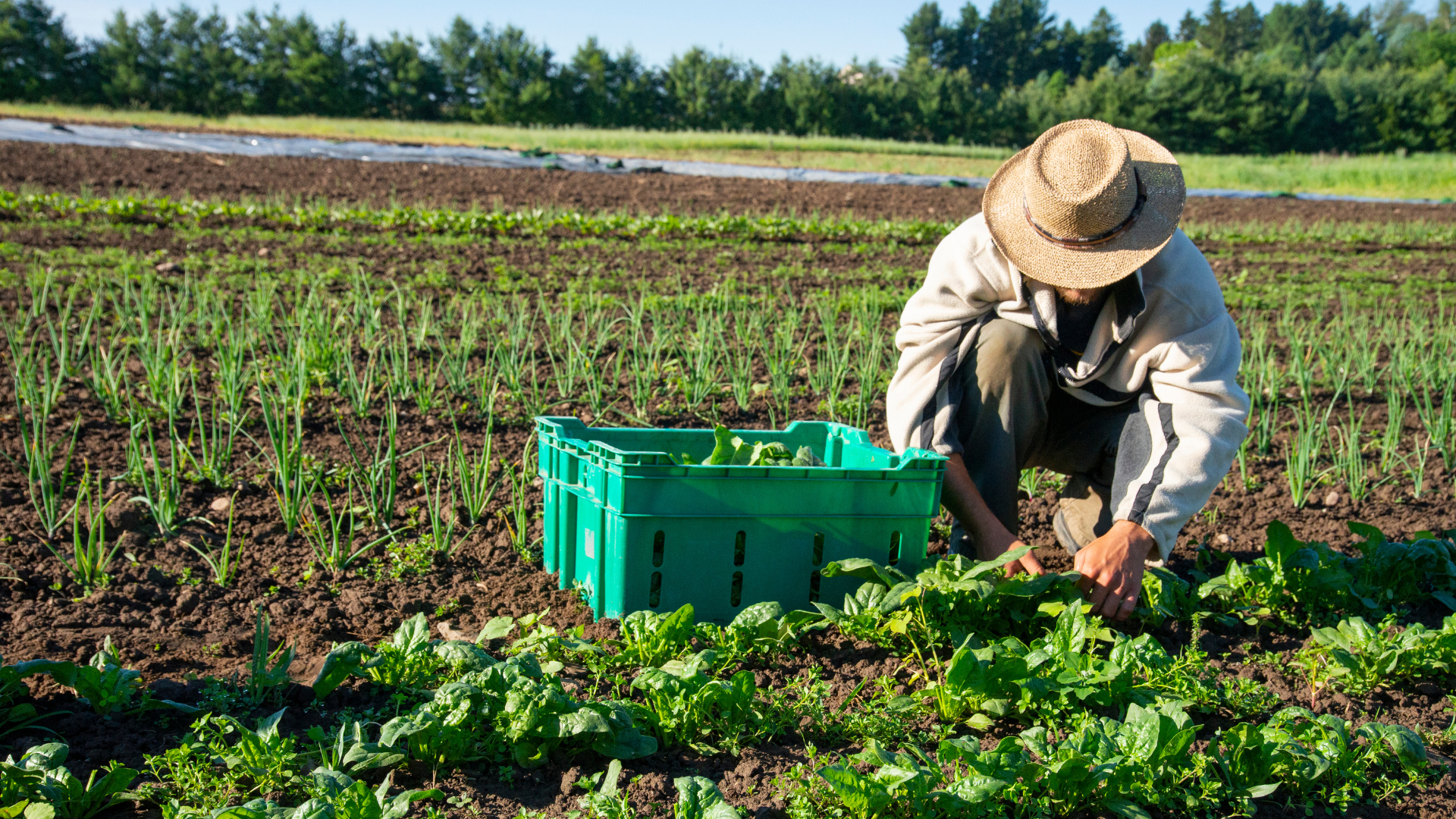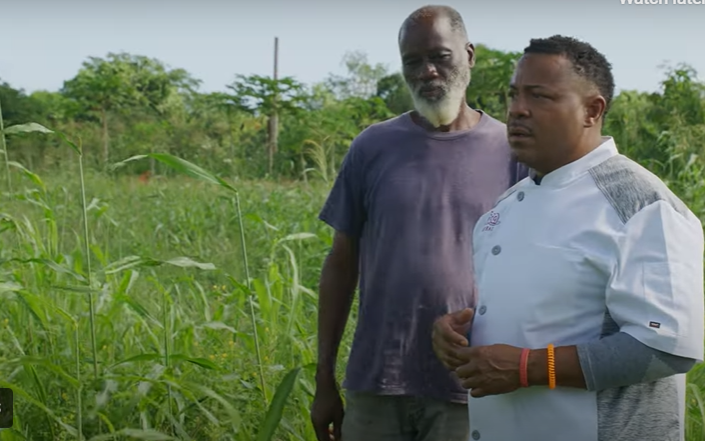
Mindful Eating for the Beloved Community (MEBC) is a community health initiative grounded in the science of social determinants of health: the conditions in which people are born, grow, work, live, and age that shape their health outcomes. Inspired by Dr. Martin Luther King Jr.’s vision of the Beloved Community, MEBC addresses food access and nutrition equity as foundational drivers of individual and community wellbeing.
Communities of lower socioeconomic status experience higher rates of food insecurity, are more likely to live in under-resourced food environments, and continue to bear the greatest burden of diet-related chronic diseases in the United States. Research consistently links food insecurity — defined as limited or unstable access to adequate food — to poorer health outcomes, higher chronic disease prevalence, and overall financial hardship. For many marginalized communities, the disconnection from traditional food culture compounds these risks, replacing nourishing communal food practices with patterns of mindless consumption that drive obesity, diabetes, cardiovascular disease, and diminished quality of life. AJCNShadac
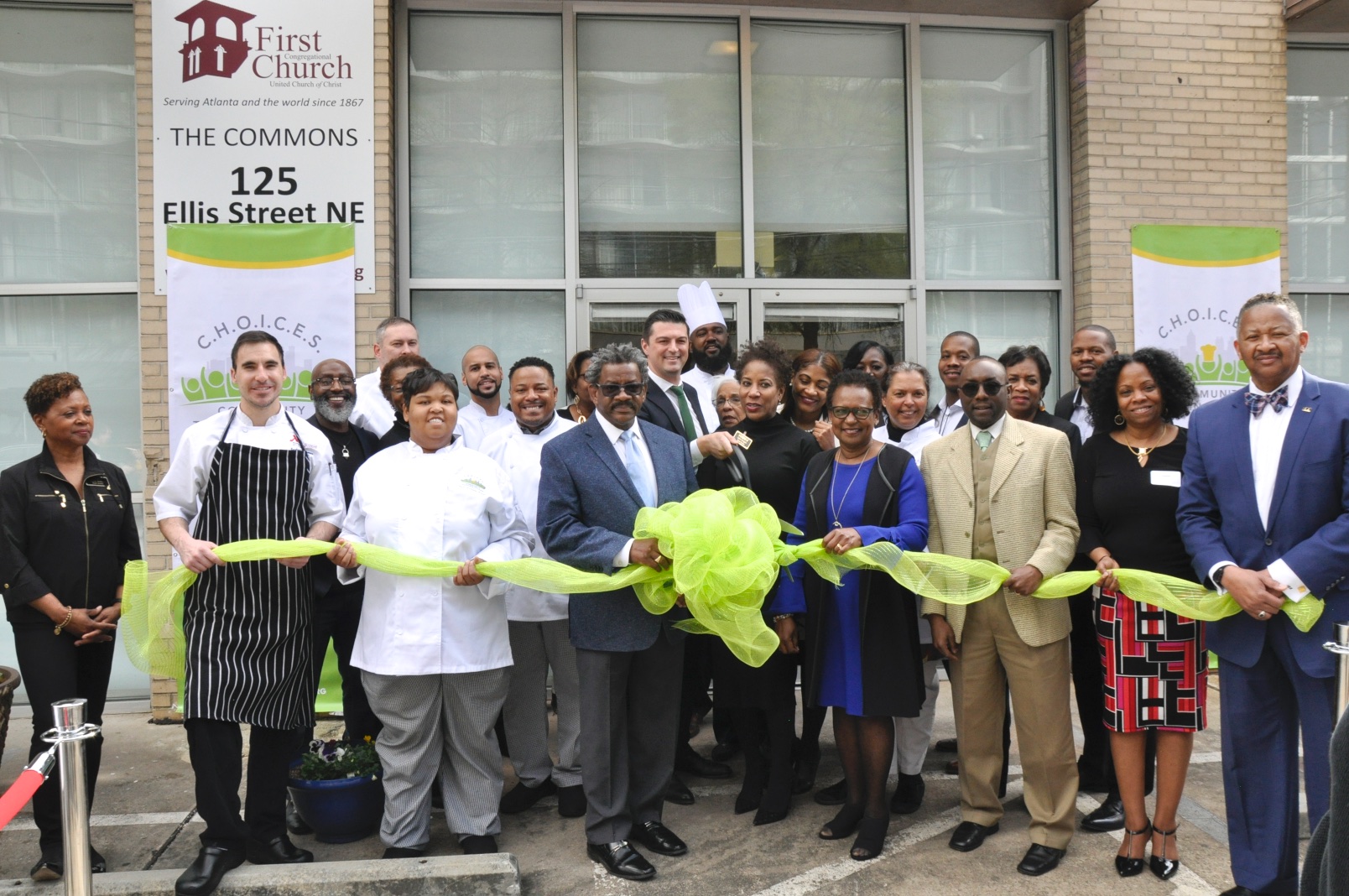
MEBC primarily focuses on food and nutritional literacy to directly impact behavioral change. Through mindfulness, food narratives, and interactive experiential workshops, MEBC helps participants understand how systemic barriers shape their relationship with food, and empowers them to reclaim that relationship as an act of dignity, self-care, and community investment. Research has shown that mindful eating as a targeted intervention promotes healthier dietary behavior, alleviates stress-related disorders, and improves the mental and physical wellbeing of participants. These outcomes have direct implications for productivity, economic opportunity, and long-term health equity. Iprjb
The initiative is built around eight pillars:
- Understanding how the current food system shapes our choices and barriers to healthy eating.
- Creating a new paradigm: eating as an expression of dignity, empowerment, and self-actualization — reconnecting food to family, culture, faith, and wellbeing.
- Food as identity and self-investment. Eating as creativity, self-care, and an expression of who we want to become.
- Re-establishing food’s role in family and community as a source of strength and prosperity.
- Honoring the traditions of how we feed and care for ourselves and each other.
- Expanding our relationship with food to encompass individual, societal, and planetary wellbeing.
- Building a personal and family plan for the practice of mindful eating.
- Understanding the role each of us plays in lifting the whole of the Beloved Community.